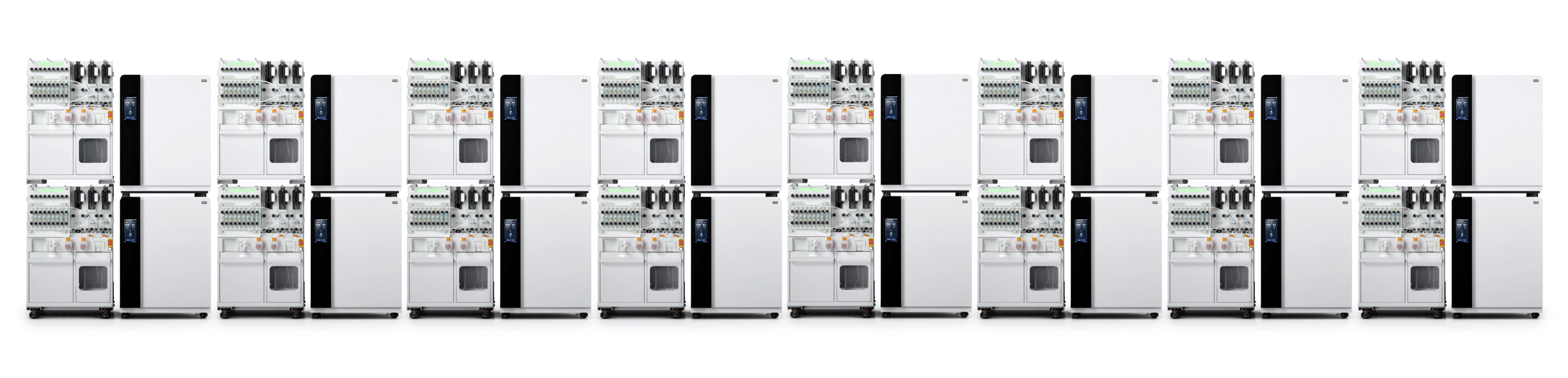
Avoid the 3D comparability detour with iDEM’s 2D automation
iDEM Technology. Closed, automated cell expansion and differentiation.

Coating

Seeding

Feeding

Imaging

Passaging

Harvest

Rapidly translate any 2D process from manual to automated.
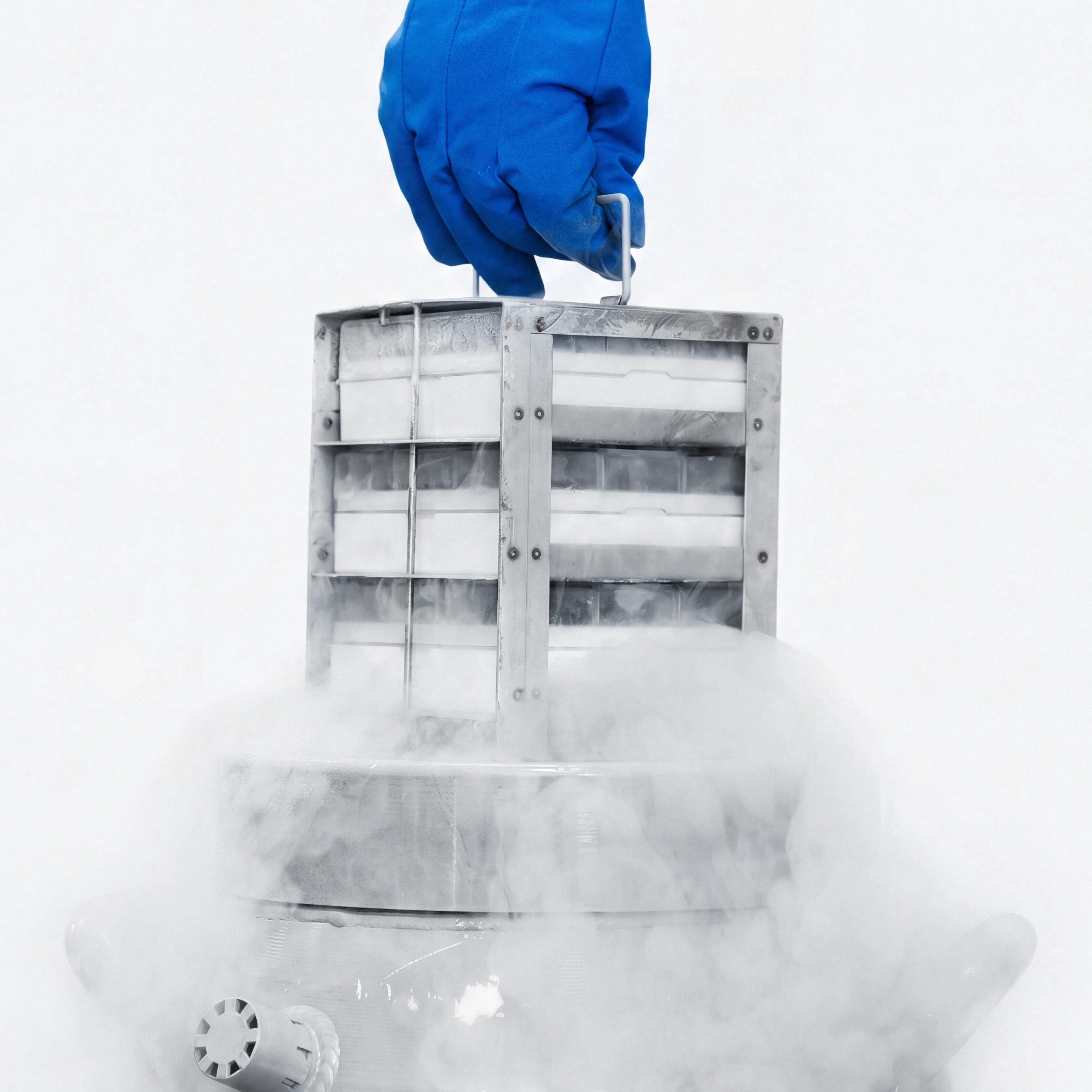
Banking iPSC Expansion Pluripotent stem cells expanded from one vial to a hundred-vial bank.
Differentiation Neural Progenitor Cells Neural progenitor cells (DANPCs) used to treat diseases such as Parkinson’s
Differentiation Cardiomyocytes iPSC-derived cardiomyocytes to treat chronic heart failure
Differentiation Retinal Pigment Epithelium RPE cells used to treat macular degeneration and reverse vision loss
Rapidly scale the quality of your best scientists.
10× Faster production ramp up No hiring & training bottlenecks.
10× Less operator-hours per batch
10× Batches per Cleanroom
24 Autologous Batches per Device or large scale Allogeneic batches.


MytosOS. Turn your best practices into repeatable operations at scale.

Rapid Translation Ports any 2D process within 3 runs.

Real-Time Monitoring Tracks batches and flags potential out-of-specifications.

Every layer of iDEM is GMP-ready.

Mytos Cloud 21CFR Part 11 readyIntegrated environmental monitoringConfigurable operator e-signatures / alertingAutomated feature validation for GMP environmentsAuto-generated Batch Records

CE markedSuitable for use in ISO 7 cleanroomManufactured in the UK under ISO 9001IOQ & regulatory support packages available

Validated sterile single-use consumablesUSP Class VI & USP788 compliantPyrogen & animal-origin free fluid pathCleanroom assembled in the USA under ISO 13485CoC & regulatory support data packages available
Frequently asked questions
iDEM is a closed, automated cell culture system that runs your existing tissue culture flask-based process without changing the biology.
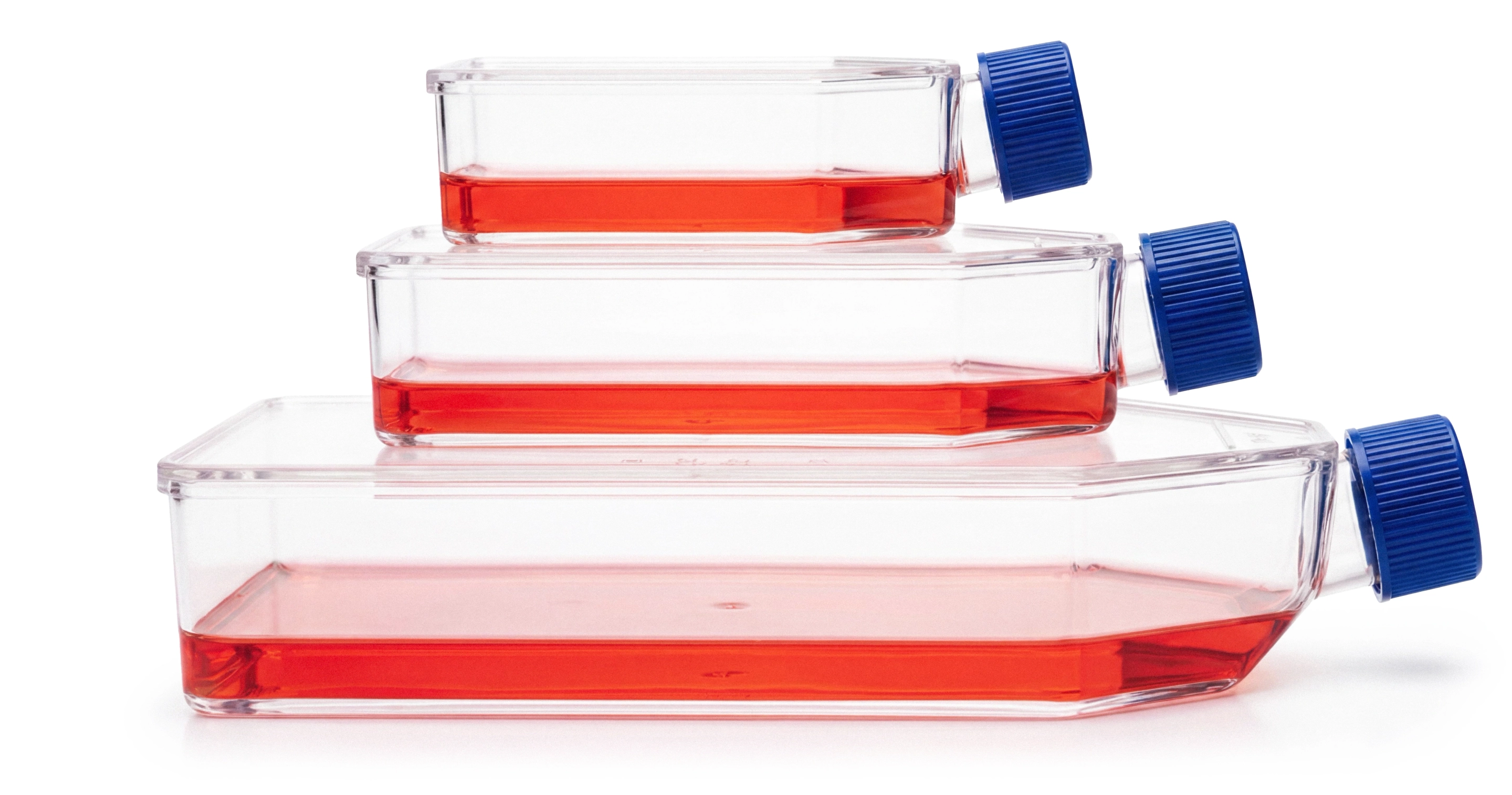
It performs media exchange, washing, dissociation, passaging and harvest in standard Corning T75, T175 and T225 flasks, inside an incubator, using the same media, coating reagents and dissociation reagents your team uses manually.
There is no stirred tank, no suspension scale-up and no new culture format to develop into.
On iDEM, a process that works in 2D manually will behave the same way on the device, so the transfer is a like-for-like translation rather than a re-development.
It performs media exchange, washing, dissociation, passaging and harvest in standard Corning T75, T175 and T225 flasks, inside an incubator, using the same media, coating reagents and dissociation reagents your team uses manually.
There is no stirred tank, no suspension scale-up and no new culture format to develop into.
On iDEM, a process that works in 2D manually will behave the same way on the device, so the transfer is a like-for-like translation rather than a re-development.
The iDEM is built for adherent pluripotent stem cells - iPSCs and ESCs - and their differentiation into progenitor and terminal cell types.
Programs run on the platform to date span retinal pigmented epithelium, photoreceptor progenitors, dopaminergic neurons, sensory neurons, cardiomyocytes, haematopoietic stem cells, and MSC-derived bone.
Autologous and allogeneic processes are both supported: iDEM can be used to manufacture many parallel autologous batches or one large allogeneic batch across all flasks.
Programs run on the platform to date span retinal pigmented epithelium, photoreceptor progenitors, dopaminergic neurons, sensory neurons, cardiomyocytes, haematopoietic stem cells, and MSC-derived bone.
Autologous and allogeneic processes are both supported: iDEM can be used to manufacture many parallel autologous batches or one large allogeneic batch across all flasks.
Yes - the iDEM system is designed & manufactured under a QMS to meet the requirements of GMP Manufacturing. IOQ & regulatory support packages available.
Grade D is permissible because the system is fully closed.
Mytos has validated operation in Grade C.
Closed operation lets you move differentiation out of Grade B and redesign around fewer, larger, lower-grade suites.
Mytos has validated operation in Grade C.
Closed operation lets you move differentiation out of Grade B and redesign around fewer, larger, lower-grade suites.
You bring the science, We bring scale.